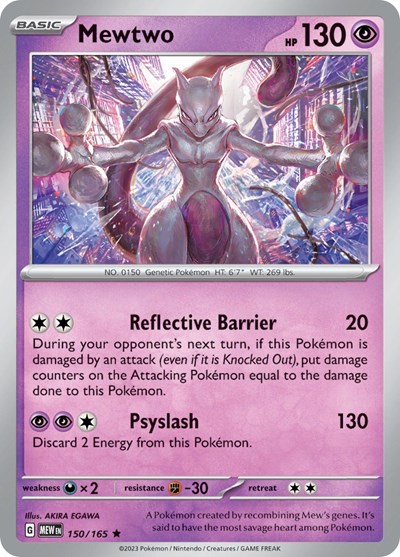
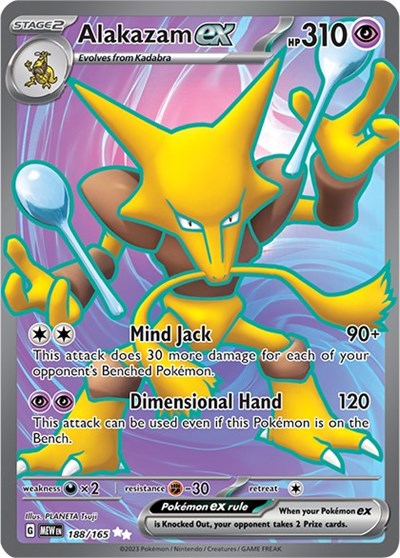
A lot of Pokémon rows show $0.00 for TCG Direct Price because there is no direct inventory for that card. Hoard prices those rows from Marketplace Price instead of skipping them or leaving them at zero, which matters most for vintage and low-supply chase cards.
For modern Pokémon singles and graded PSA/CGC copies, a pricing rule can point at a PriceCharting-based pricing source instead of TCGplayer market data alone, so a chase card with thin TCGplayer sales history still gets priced from real comps.
How often should you reprice Pokémon singles?
Daily is a sensible default for active Pokémon sellers. If your inventory is concentrated in current-set SARs, Illustration Rares, and other high-demand chase cards, that's the value exposed to the kind of swings that push toward a faster sync — see the how often to reprice guide.
Does Pokémon Japan need its own pricing rules?
Yes. Japanese supply does not track English supply, so English and Japanese copies of the same card can move in opposite directions. Hoard runs Pokémon Japan as a separate product line with its own rules and rollback.