status:open shipping:tracked pull:unpulled buyer:repeat
$19.4k MTD · 82.8% retained
today
needs pull
tracked
repeat buyers
refund risk
OrderGrossNetState

#48291 · Elsa - Spirit of Winter
Lorcana · Enchanted · tracked
$644.99
$548.24
Pull
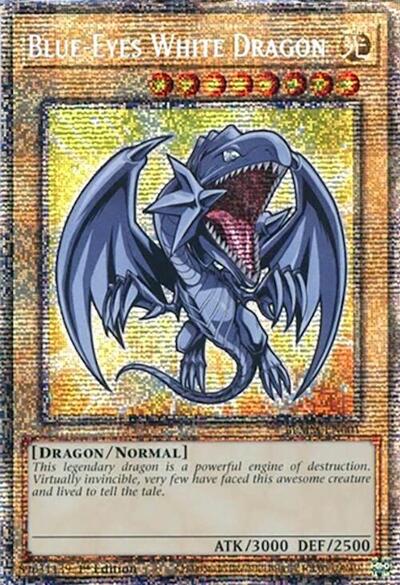
#48289 · Blue-Eyes White Dragon
Yu-Gi-Oh! · Starlight · repeat buyer
$525.00
$446.25
Ship
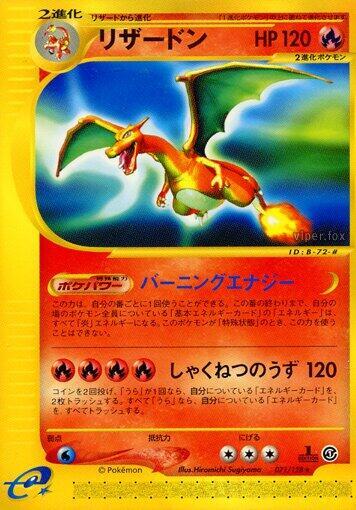
#48286 · Charizard - 071/128
Pokemon Japan · Base Expansion
$229.99
$195.49
Pull
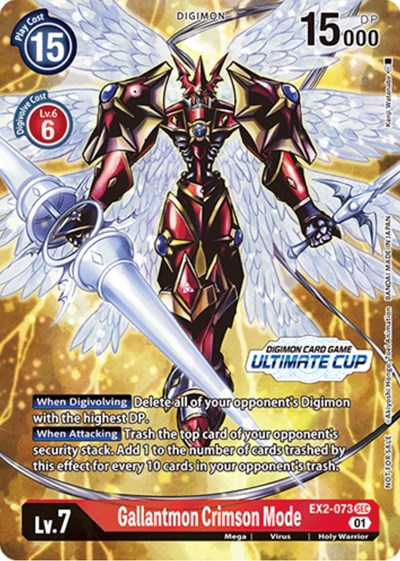
#48283 · Gallantmon Crimson Mode
Digimon · Ultimate Cup
$2,800
$2,380
Review
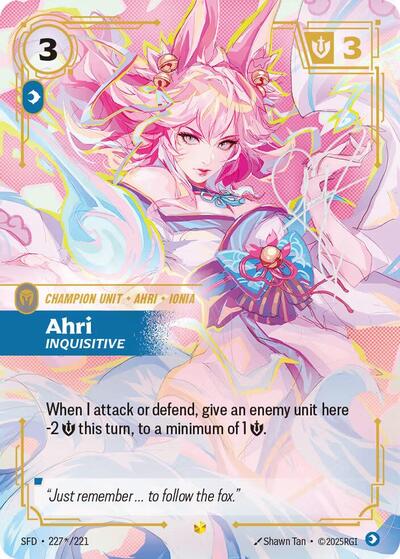
#48277 · Ahri - Inquisitive
Riftbound · Signature
$2,675
$2,274
Ship
Operating summarylive sync
Open orders
184
Needs pull
136
Tracked
38%
Refund rate
1.7%
Shipping mix changedTracked labels are up in the last 24 hours.
watchPull session active642 cards queued across four games.
136Repeat buyer streak42 repeat buyers this month with order history attached.
+18%Month-to-date netGross, fees, refunds, and retained revenue stay together.
$16.1k