Ban list updates, spoiler seasons, reserve list buyouts. Your prices adjust before you come online. Foil vs non-foil, showcase vs regular, extended art, double-faced. Each variant mapped correctly, priced separately, automatically.
See the live Magic market index Magic release schedule and preorder prices
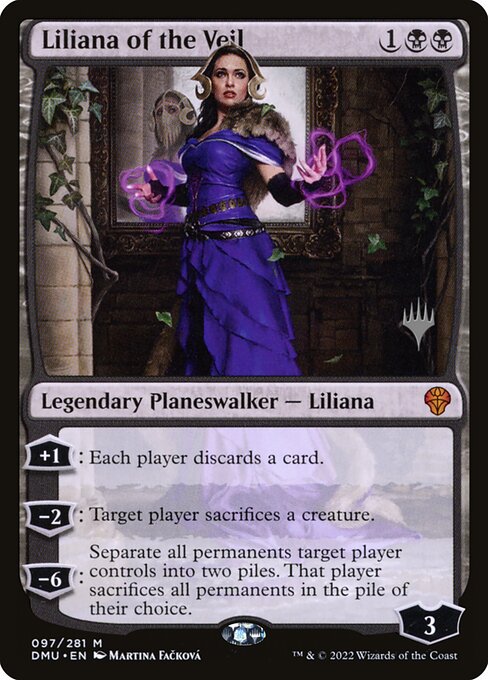
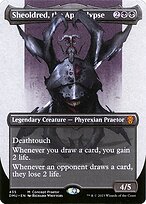
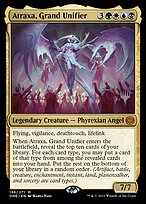
These were all underpriced when Hoard synced at 2am. Your pricing rule ran, caught the gaps, and adjusted every one before the next buyer checked your store.
That's $52 that would have been lost without an automated repricing agent running while you slept.


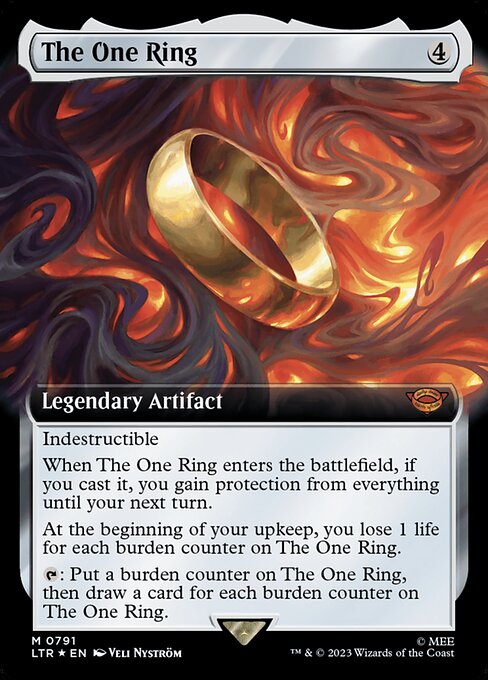
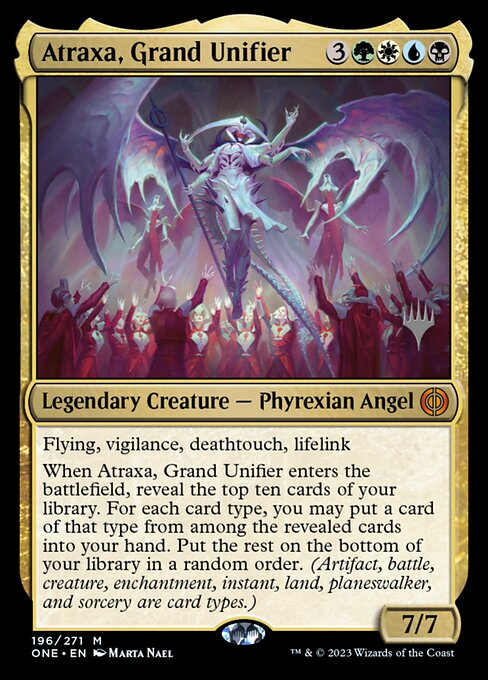
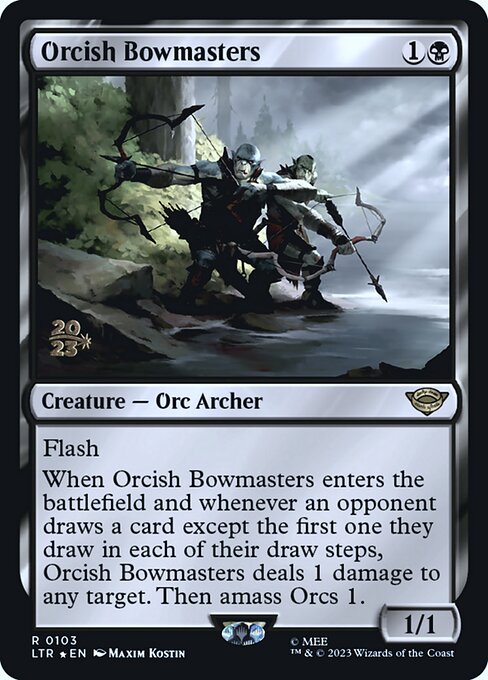
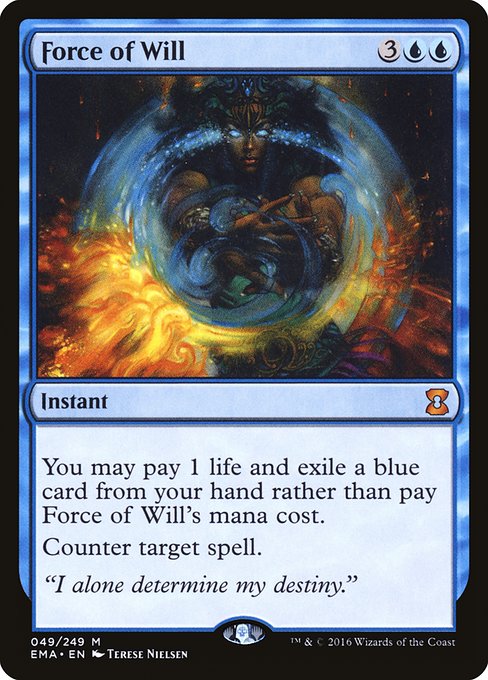
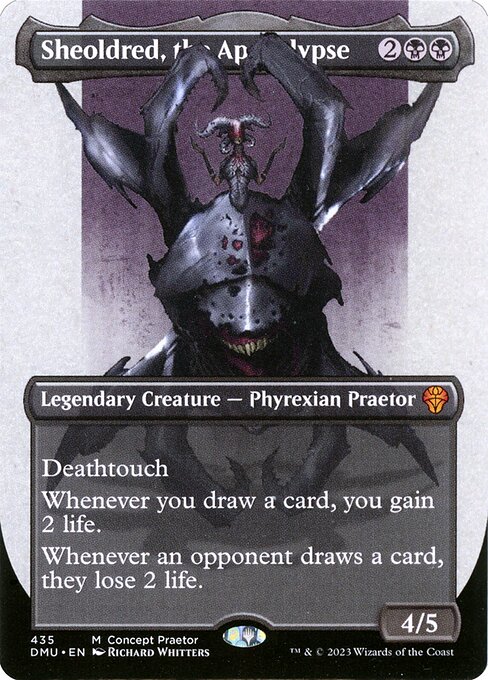
TCGplayer shows one Market Price. But a borderless foil Sheoldred and a regular Sheoldred aren't the same card. When another tool reprices both at the blended rate, the borderless foil is underpriced by $60 and the regular is overpriced by $5.
Hoard prices each variant at what that variant actually sells for. Foil, non-foil, borderless, extended art, retro frame, showcase. Each one gets its own price based on its own market data. No more leaving money on the table because a $120 card got priced like a $50 card.
Build a pricing rule in 30 seconds. Target by set, rarity, price range, condition, whatever matters to your store. Hold reserve list at 30% above market. Keep Standard staples competitive. Floor bulk at $0.25. The rule runs automatically every sync cycle.
Lock any card's price and Hoard won't touch it. Roll back any sync with one click if something looks wrong. Never-go-down is on by default, so prices only move when it helps. Every flat-rate plan includes unlimited pricing rules. Pricing more of your store never costs extra. See what else a dedicated card repricer should offer.
Magic inventory sprawls across Standard, Commander, Reserved List cards, foils, showcases, sealed, and bulk. Hoard keeps those slices in one pricing loop before you open the shop.
Numbers are illustrative examples for this product line. Actual results depend on inventory, rules, market data, and sync cadence.
Commander bans, Modern Horizons spoilers, reserve list buyouts. Magic prices can move 30% in an afternoon. Hoard syncs as often as every 30 minutes. By the time the Reddit thread hits r/mtgfinance, your prices already reflect the new market. Check the movers page to see which cards spiked first.
Never-go-down is on by default. If a card crashes overnight, your price holds. No more waking up to find Ragavans listed at last week's price while the market moved overnight.
Magic inventory spans Standard staples that rotate every few months, Commander cards with a fixed audience, and Reserved List cards that will never be reprinted. Those three groups do not need the same repricing cadence.
The repricing pillar guide covers price points, floors, and cadence in general. For Magic specifically, the deciding factor is where your inventory value sits: concentrated in Standard and Commander staples, or spread across older and Reserved List cards that move slower. Weighing Hoard against other options first? The alternatives index compares TCGplayer seller tools honestly.
Daily is a sensible default for most active Magic sellers, per the how often to reprice guide. If your value sits in Standard-legal or Commander staples, you're exposed to weekly swings that a store full of Reserved List or older sealed product is not — that inventory can hold on a weekly cadence instead.
Yes. A foil, borderless, or showcase printing does not sell at the same price as the regular version of the same card, so a single blended rule misprices one of them. Hoard prices each variant against its own market data, the same way it handles every card through its pricing lifecycle.
Newest sets: Star Trek Commander, Star Trek, Mystery Booster Commander Edition.
Pick your strategy. Hoard runs it across every Magic card in your store.