Pricing is one job Hoard's agent runs for your store, along with faster pulls and fewer refunds. You already know which listings need different treatment: chase rares, stale quantity, sealed boxes, Japanese cards, played conditions, and cards drifting away from market. Describe that slice, preview the exact listings, and sync the change without rebuilding a spreadsheet every week. New to the category? Start with the TCGplayer repricing software guide.
High-volume sellers rarely need one blanket rule. You need different treatment for near-mint chase cards, played copies, stale low-dollar quantity, Japanese Pokemon, sealed product, and cards you are intentionally holding. Hoard keeps those decisions readable so your next sync reflects the way you price inventory. See what a purpose-built card repricer should support before trusting one with your listings. The full guide to TCGplayer repricing walks through rules, floors, and sync timing. Sellers weighing shop tools can also see how Hoard compares with BinderPOS.
Pricing is one job the same Hoard agent runs for your store. It also speeds up pulls and fulfillment: one $3M storefront cut pull times 64% and refunds 40% as volume grew, after switching. Read the case study.
Keep premium rares from drifting down with broad discounts or stale marketplace movement.
Discount quantity that has not moved, while skipping cards with manual holds or higher-value rules.
Run different guardrails for Magic, Pokemon Japan, Lorcana, Yu-Gi-Oh!, Digimon, One Piece, and sealed product.
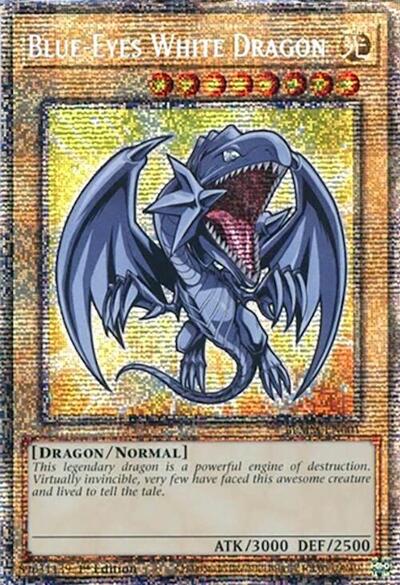
If you can describe the cards, you can price the slice: foil dragons over $25, Lorcana Enchanted cards, Yu-Gi-Oh! Ghost and Starlight Rares, Japanese SARs, LP copies above market, or quantity under $5. The rule stays legible after the sync, so you can inspect it later without reverse-engineering a CSV. Before setting a floor, run the numbers in the TCGplayer fees calculator to see what a sale actually nets after commission and payment fees.
game:magic type:dragon is:foil price>25
set:"The First Chapter" rarity:Enchanted
game:yugioh rarity:(Ghost OR Starlight)
language:Japanese rarity:SAR cond:NM
Weekend clearance, convention prep, stale quantity, and end-of-month cash flow do not need a second pricing system. Add a timed layer, keep your base rules intact, and let the sale expire on its own.
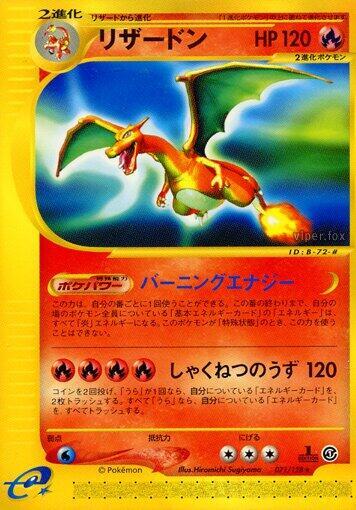
A shop carrying more than one game should not have to flatten every product line into the same pricing behavior. Keep a separate strategy for Pokemon Japan, Yu-Gi-Oh! rarity spikes, Lorcana chase cards, Magic foils, sealed inventory, and the long tail of games you soft-support. If you also sell elsewhere, weigh the main TCGplayer alternatives before you spread inventory across channels.
Hoard can handle the export, calculation, upload, schedule, and sync history. You still get the parts sellers care about before trusting automation: exact matches, target prices, rule names, manual review when needed, and rollback if a marketplace feed or rule behaves badly. Shops moving off older software can read how to migrate from BinderPOS without losing pricing history.
Build rules by search, preview the listings, run timed sales, and sync TCGplayer prices. It's one part of the agent that also runs your pulls and fulfillment. See Hoard pricing for what each plan costs.