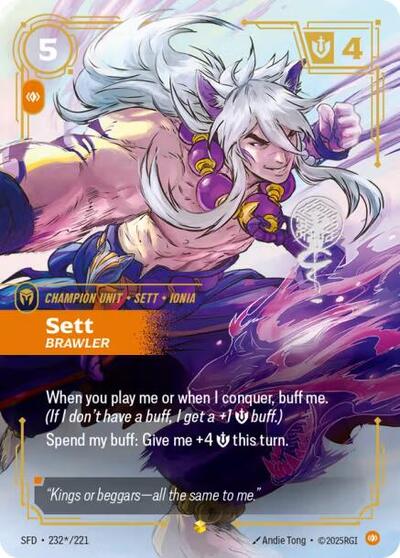
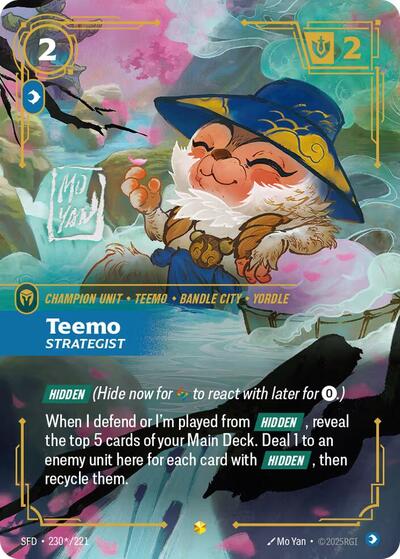
Riftbound demand is not generic TCG demand. Ahri, Jinx, Yasuo, Lux, Teemo, and Irelia bring champion loyalty with them, then tournament results decide which cards also become table stakes. Hoard keeps those singles priced like real inventory, not a side shelf you check when you remember.
See the live Riftbound market index Riftbound release schedule and preorder prices

A League favorite does not need to win an event to have buyers. When that same champion also anchors a good deck, the expensive copies and the boring support cards can both move before a seller has time to rebuild a rule by hand.
Hoard's automated repricing agent keeps checking the catalog while your team is sorting pulls, filling orders, and keeping the case stocked.
Riftbound buyers are often League players first. Jinx, Ahri, Yasuo, Annie, Lux: the name on the card can matter as much as the metagame result. Hoard lets you price by product line and rule against the parts of inventory that deserve a tighter spread.
That keeps playable staples competitive without treating every fan-favorite champion as bulk. Watch the biggest movers after a Regional Qualifier weekend.
Build Riftbound rules around champion demand and event demand instead of treating the product line like generic bulk.
For example, protect Ahri and Jinx signatures while Origins staples stay competitive after a Regional Qualifier weekend.
Lock any card's price and Hoard will leave it alone. Roll back any sync with one click if something looks off.
Riftbound inventory can mix champion collectors, tournament staples, signatures, overnumbered cards, boosters, and starters. Hoard keeps those groups priced without turning the League shelf into a separate spreadsheet.
Numbers are illustrative examples for this product line. Actual results depend on inventory, rules, market data, and sync cadence.
The right Riftbound shelf has collector pulls, signature cards, deck staples, and lower-end singles all moving for different reasons. Hoard gives Riftbound its own product-line rules so sellers can protect the fan-favorite hits while keeping playable inventory liquid. Compare the flat-rate plans when you are ready to set those rules.
Newest sets: Legacy, Radiance, Vendetta.
Pick your Riftbound strategy. Hoard keeps champion demand and deck demand priced separately.
Riftbound is a new product line, so most cards have a short price history to anchor against, and sets are still releasing on a fast cadence. A champion card can be a deck staple, a collector pull, and a Regional Qualifier result all at once, and those three demand sources do not move together.
Signature and alternate-art copies of a champion sell to a different buyer than the base playable version, so they need their own rule instead of a blended one. Watch the live Riftbound market index to see how those two markets are actually moving. See what a dedicated card repricer should support for splits like this.
Daily is a sensible default, per the how often to reprice guide. Around a Regional Qualifier weekend or a new set release, a faster sync matters more than usual, because thin price history means a champion's price can move fast without much of a track record to fall back on.