Hoard for Yu-Gi-Oh!
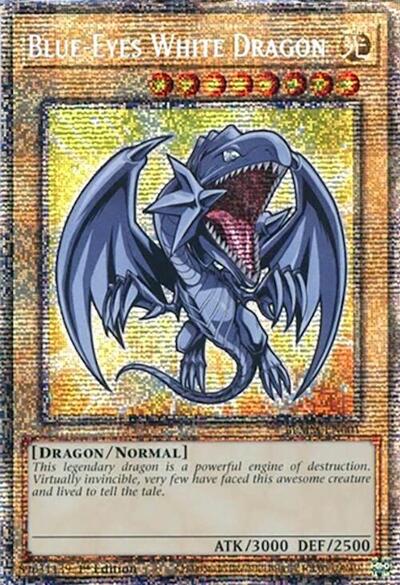
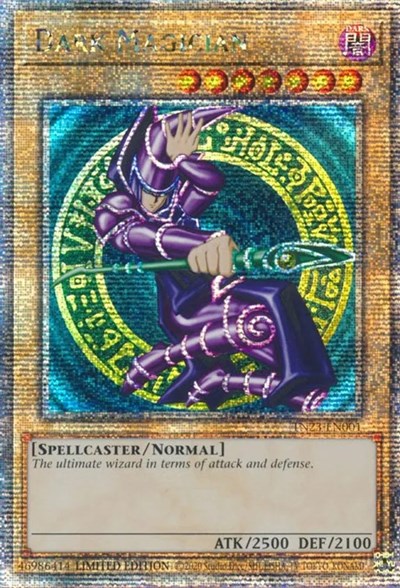
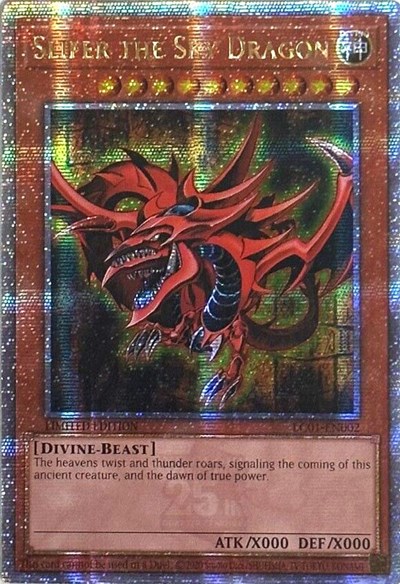
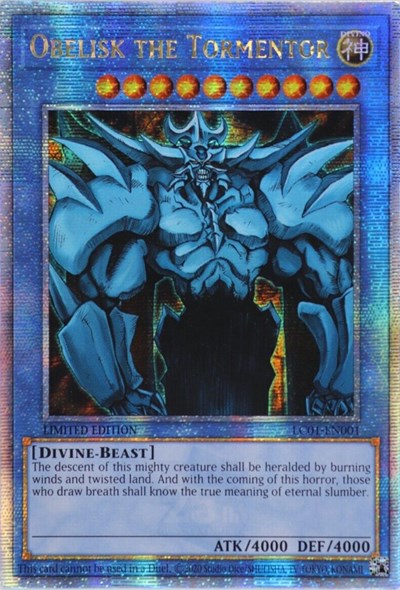
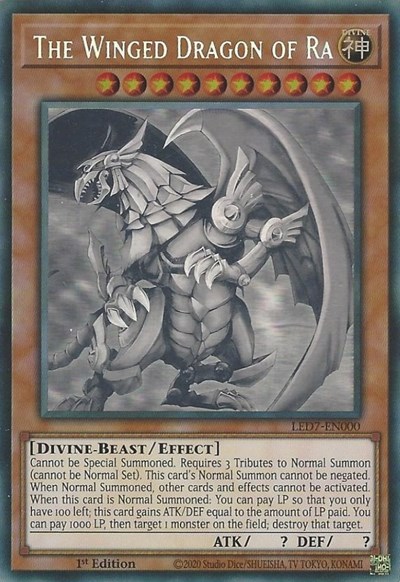
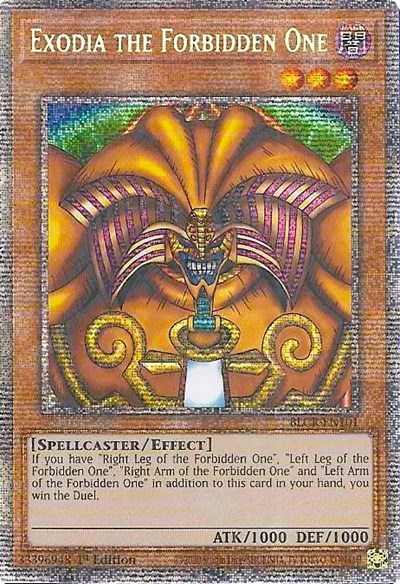
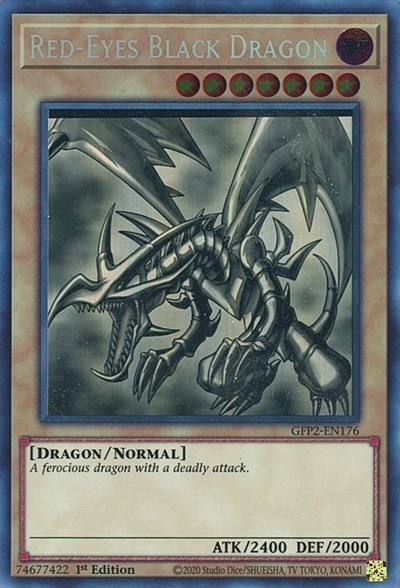
Yu-Gi-Oh! sellers carry real player staples and cards every anime fan recognizes on sight. Hoard keeps Blue-Eyes, Dark Magician, the Egyptian Gods, Exodia, Ghost Rares, QCSRs, and low-rarity reprints priced as separate inventory decisions.
Collector demand
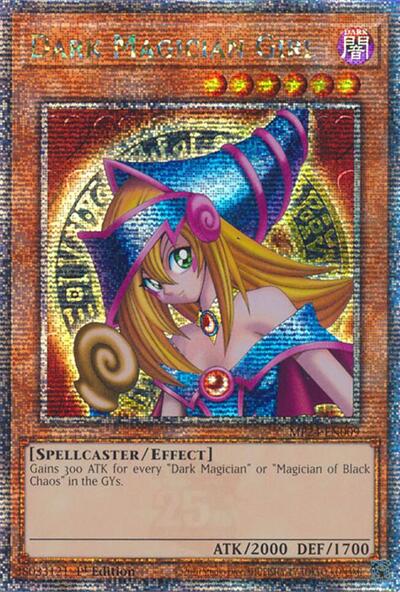
Blue-Eyes, Dark Magician, Dark Magician Girl, the Egyptian Gods, Exodia, and Red-Eyes are not just another pile of reprints. A premium treatment can move because collectors want the character, even when deck demand is quiet.
Hoard keeps those iconic copies protected while ordinary reprints and playable staples stay priced to move.
Rarity spread
A low-rarity Blue-Eyes reprint, a Ghost Rare, and a Starlight Rare all satisfy different buyers. Hoard lets you keep the accessible copies liquid while premium binder cards follow their own rules.
That same logic applies to Dark Magician Girl QCSRs, Egyptian God printings, Exodia pieces, and old-school favorites that pull in collectors who are not just shopping for a deck list.
Set it. Forget it.
Build Yu-Gi-Oh! rules around the exact buyer and rarity, not just the card name.
For example, protect Ghost Rare Blue-Eyes, Egyptian God QCSRs, and Exodia Starlights without pricing every low-rarity reprint like a binder hit.
Lock any card's price and Hoard will leave it alone. Roll back any sync with one click if something looks off.
Scale
Yu-Gi-Oh! inventory can include anime icons, Ghost Rares, QCSRs, playsets, low-rarity reprints, sealed, and banlist-sensitive staples. Hoard keeps those decisions in one product-line workflow.
Numbers are illustrative examples for this product line. Actual results depend on inventory, rules, market data, and sync cadence.
For Yu-Gi-Oh! sellers
Hoard gives Yu-Gi-Oh! its own product-line rules, so you can price competitive staples aggressively and protect anime-icon treatments from a low-rarity reprint floor.
Pick your Yu-Gi-Oh! strategy. Hoard keeps iconic chase cards protected and staples liquid.